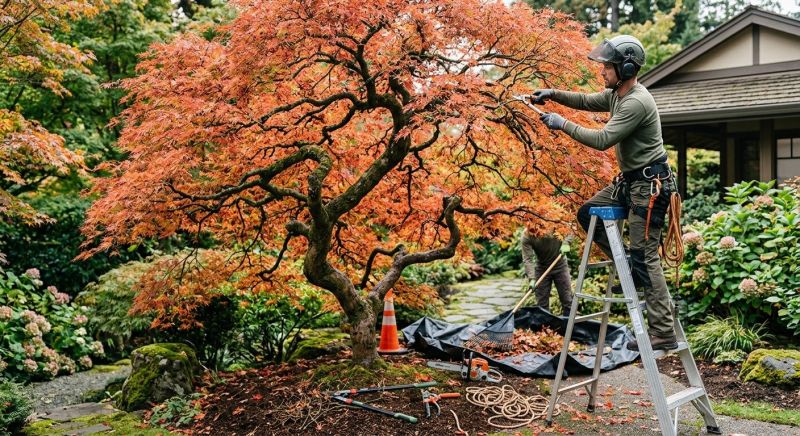
Japanese Maple Pruning in Pottstown, PA
Japanese Maple pruning services involve the careful trimming and shaping of Japanese maple trees to promote healthy growth and enhance their aesthetic appeal. This service typically covers tasks such as removing dead or damaged branches, thinning out dense foliage, and shaping the tree to maintain its desired form. Property owners often request pruning to improve the tree’s structure, prevent potential hazards from falling branches, or to ensure the tree complements the overall landscape design.
Before requesting Japanese Maple pruning, property owners should consider the tree’s age, overall health, and specific aesthetic goals. Understanding the best timing for pruning-usually during dormancy or early spring-can help achieve optimal results. It is also helpful to know whether the goal is to maintain a natural shape or to achieve a more formal appearance, as this influences the pruning approach. Clear communication about these preferences can support effective and appropriate care for the tree.
Many property owners in Pottstown, PA look into Japanese Maple Pruning for repairs, replacements, upgrades, and appearance-related improvements.
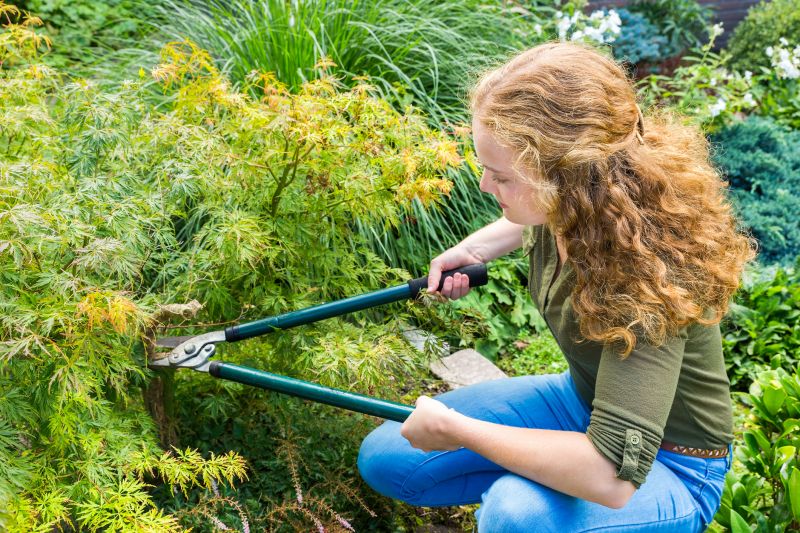
Shaping And Maintaining Tree Form
Proper pruning helps maintain the natural beauty and structure of japanese maples in pottstown properties.
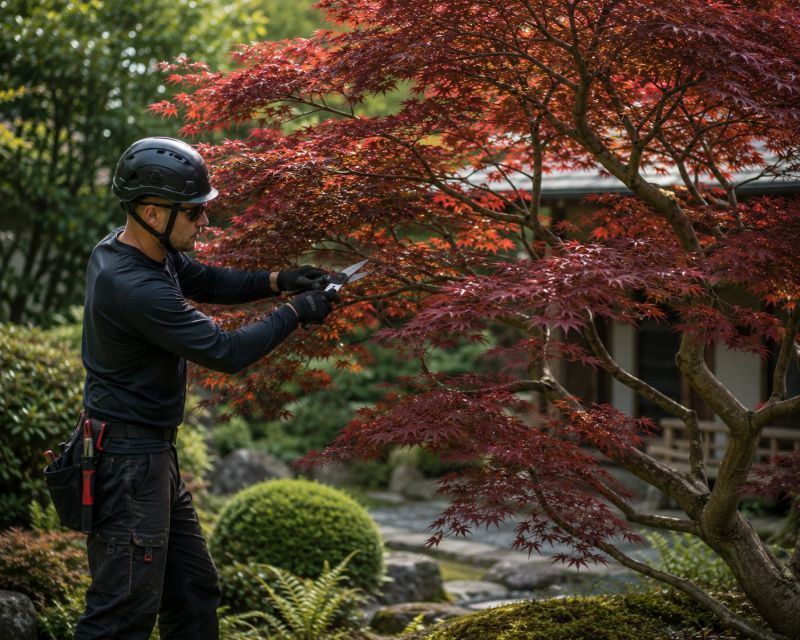
Promoting Healthy Growth
Selective trimming encourages strong growth and prevents disease in japanese maples.
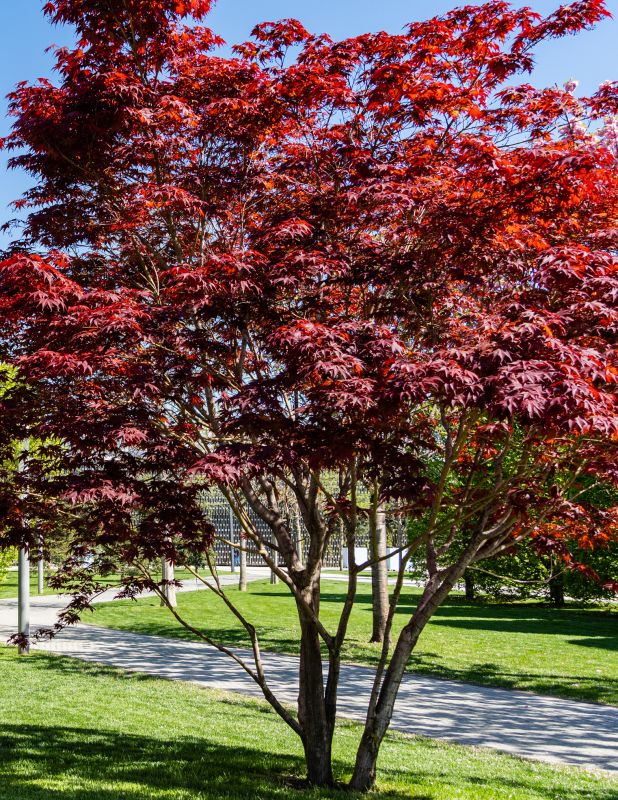
Enhancing Landscape Appeal
Pruning can improve the overall aesthetic and balance of japanese maple trees within residential landscapes.
Japanese Maple Pruning in Pottstown, PA
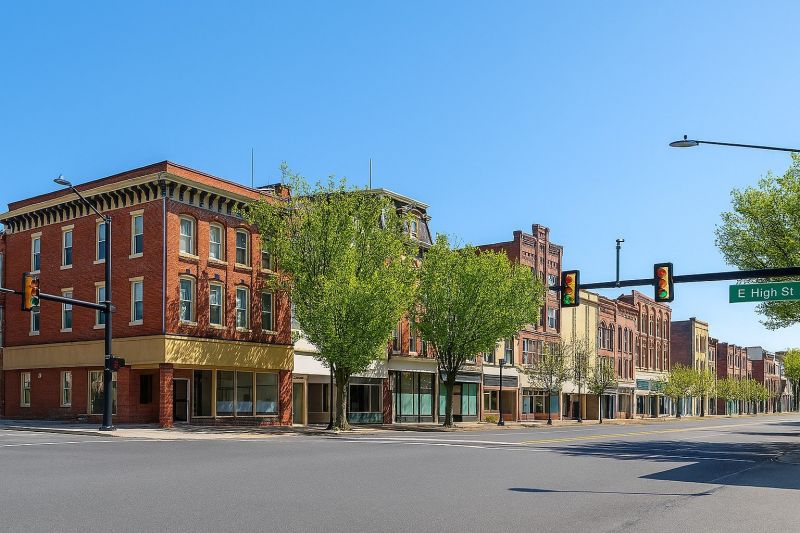
Japanese Maple pruning services involve the careful trimming and shaping of Japanese maple trees to promote healthy growth and enhance their aesthetic appeal. This service typically covers tasks such as removing dead or damaged branches, thinning out dense foliage, and shaping the tree to maintain its desired form. Property owners often request pruning to improve the tree’s structure, prevent potential hazards from falling branches, or to ensure the tree complements the overall landscape design.
Before requesting Japanese Maple pruning, property owners should consider the tree’s age, overall health, and specific aesthetic goals. Understanding the best timing for pruning-usually during dormancy or early spring-can help achieve optimal results. It is also helpful to know whether the goal is to maintain a natural shape or to achieve a more formal appearance, as this influences the pruning approach. Clear communication about these preferences can support effective and appropriate care for the tree.
Many property owners in Pottstown, PA look into Japanese Maple Pruning for repairs, replacements, upgrades, and appearance-related improvements.
Common Japanese Maple Pruning Jobs
Japanese Maple Pruning Services - Proper pruning enhances the tree's shape and overall health.
Structural Pruning - Removing dead or crossing branches to improve stability and growth.
Thinning - Reducing dense foliage to increase sunlight penetration and air circulation.
Crown Reduction - Carefully trimming to manage size while maintaining natural form.
Maintenance Pruning - Regular trimming to promote healthy development and prevent issues.
Storm Damage Pruning - Clearing broken or damaged branches after severe weather events.
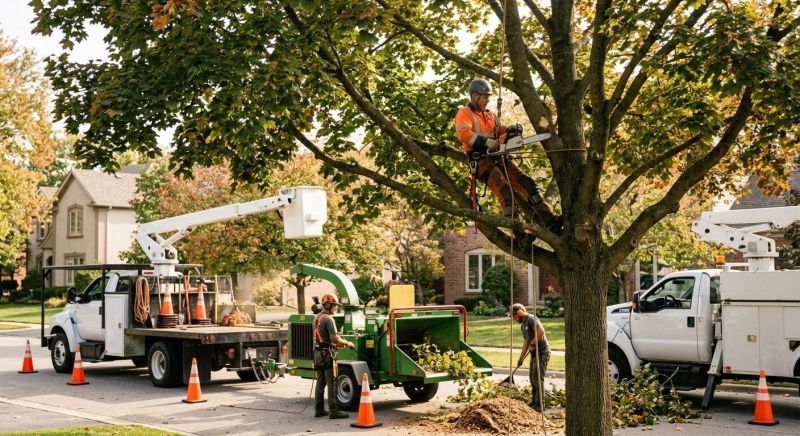
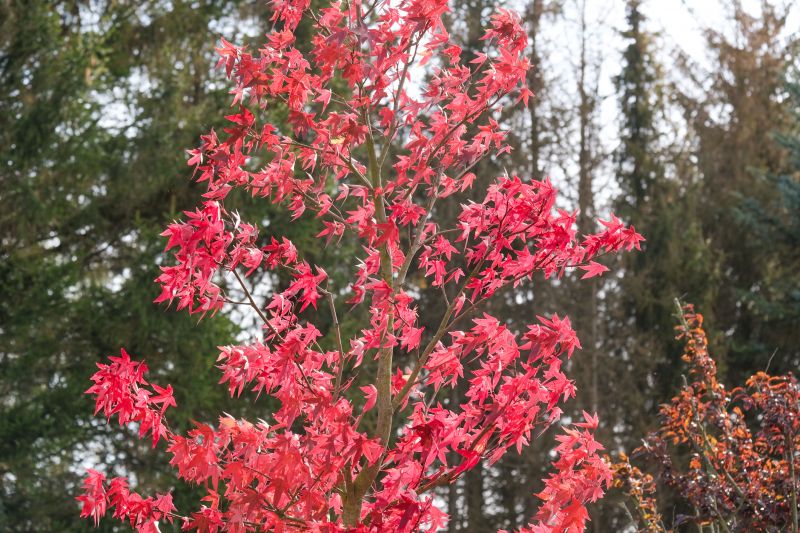
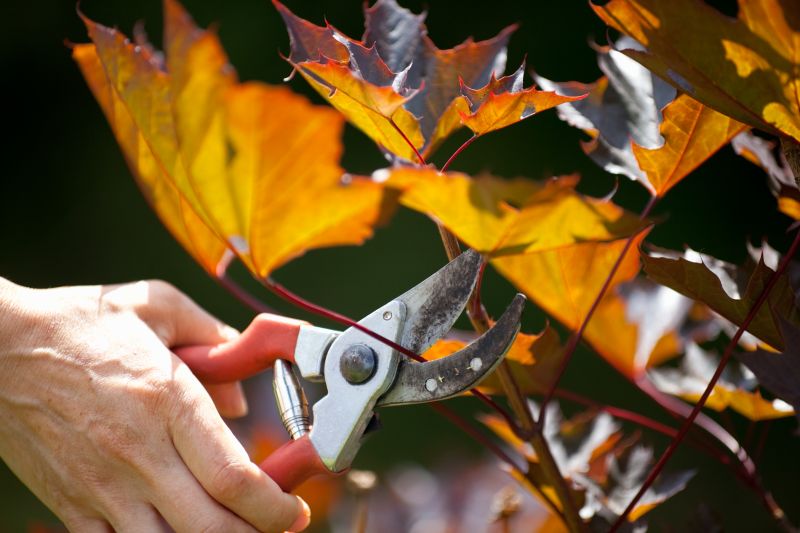
Japanese Maple Pruning Questions
What is the best time to prune a Japanese Maple? The ideal time for pruning is late winter or early spring before new growth begins, helping maintain shape and health.
Why should Japanese Maples be pruned? Pruning helps improve airflow, remove dead or damaged branches, and maintain a balanced, attractive shape.
Can Japanese Maples be pruned to control size? Yes, selective pruning can help manage the tree’s size and promote a healthy, proportionate canopy.
Is specialized equipment needed for Japanese Maple pruning? Yes, using sharp pruning tools and proper techniques ensures clean cuts and minimizes stress to the tree.
Request Japanese Maple Pruning in Pottstown, PA
Use the quote form on this page to share the basics of your project and request more information for the type of work you need.